Bringing Vintage Vehicles Back to Life
Classic and Antique Car Restoration in Littlefield for collectors preserving original character and performance
Williams body shop performs complete and partial restorations for classic and antique vehicles, working with collectors and enthusiasts who want to preserve a car's original character while restoring its appearance and function. You might own a family heirloom that has sat in storage for years, a project car with extensive rust and body damage, or a vintage truck that needs custom bodywork and period-correct paint. The shop handles long-term restoration projects with attention to detail, taking the time to do the work right rather than rushing through steps that affect the final result.
Restoration work involves metalwork to repair or replace rusted panels, custom fabrication when original parts are unavailable, bodywork to smooth surfaces and correct alignment, and paint application that matches the original finish or updates the look based on your preferences. Each project is different, and the scope depends on the condition of the vehicle, the level of originality you want to maintain, and whether you plan to show the car, drive it regularly, or keep it as a static display.
If you are considering a restoration project and want to discuss timelines, costs, and what is realistic for your vehicle, schedule a consultation to review the condition and plan the work.
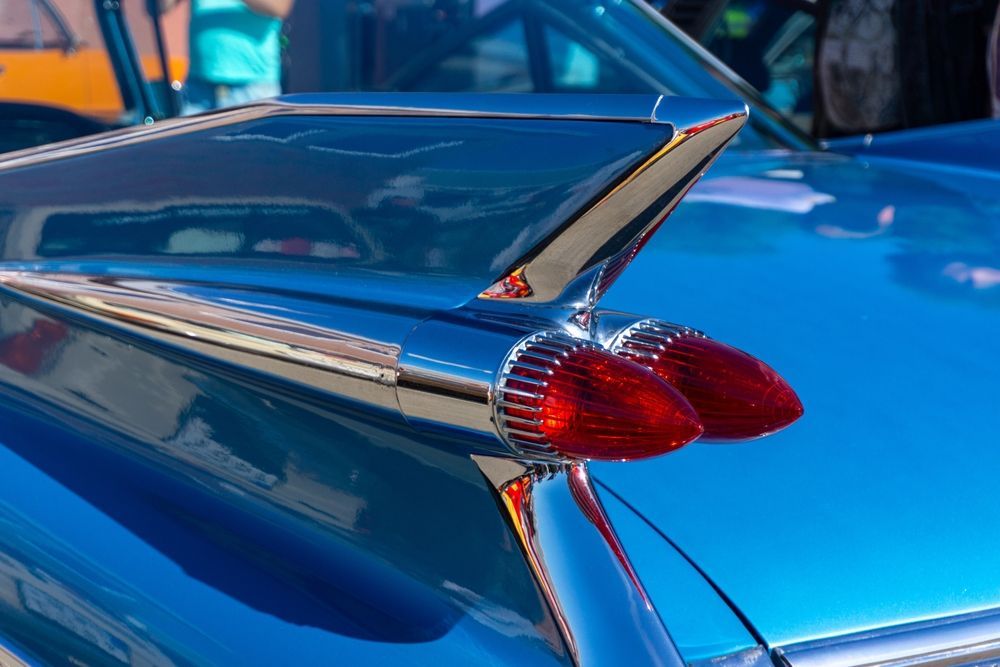
What Restoration Work Involves and Produces
Your vehicle is disassembled to expose hidden rust, assess the condition of the frame and body panels, and determine which components can be saved and which need replacement. Technicians repair metal using welding, patching, and shaping techniques that match the original construction methods, then prep and prime surfaces before applying multiple coats of paint. Detailing work includes trim installation, glass sealing, and reassembly of interior and exterior components to factory or custom specifications.
After restoration, you will see a vehicle with straight body lines, smooth paint with even color and gloss, properly fitted doors and panels, and a finish that reflects the level of craftsmanship you agreed on at the start. Williams body shop tailors each restoration to the goals of the owner, whether that means keeping every detail original or updating certain elements for improved reliability or appearance. The work is suited for owners who understand that quality restoration takes time and who are willing to stay involved in decisions about paint colors, materials, and finishing details.
Projects can take several months to over a year depending on the extent of the work, parts availability, and the complexity of custom fabrication. The shop does not perform engine rebuilds or transmission overhauls, but it coordinates with other specialists to ensure mechanical and body restoration proceed in the correct sequence.
What Owners Ask About Classic Car Restoration
Restoration projects raise questions about costs, timelines, and how to balance originality with usability, especially for first-time restorers.
Williams body shop works with classic car owners throughout the surrounding area who want to preserve and enjoy their vintage vehicles. Call (806) 928-9399 to discuss your restoration project and set realistic expectations for the work ahead.
What is the difference between a complete restoration and a partial restoration?
A complete restoration strips the vehicle to bare metal, replaces or repairs every panel, and rebuilds the car from the ground up, while a partial restoration focuses on specific areas such as paint, bodywork, or rust repair without full disassembly.
How do you decide whether to keep original paint or apply a new finish?
Original paint is preserved when it is in good condition and historically significant, but most restorations require new paint because old finishes have faded, chipped, or been repainted incorrectly over the years.
Why does metalwork take so long on older vehicles?
Classic cars often have rust in hidden areas such as floor pans, rocker panels, and frame rails, and each section must be cut out, fabricated, and welded in place before bodywork can begin.
What should you bring when you meet with the shop in Littlefield?
Bring photos of the vehicle in its current condition, any documentation or history you have, and examples of the finished look you want so the team can assess what is feasible and estimate costs accurately.
When does it make sense to restore a vehicle versus selling it as-is?
Restoration makes sense when the vehicle has personal or historical value, rare features, or strong market demand that justifies the investment, but it rarely makes financial sense purely as a profit-driven project.