
Repairing Cracked Tanks Before They Fail
Plastic and Fiberglass Tank Repair Services in Littlefield for leaking fuel tanks and damaged utility containers
Williams body shop repairs plastic and fiberglass tanks that have cracked, leaked, or sustained damage from impact, wear, or chemical exposure. You might be dealing with a fuel tank on a tractor, a utility tank on a service truck, a water storage container, or an industrial tank that has developed a slow leak or a visible crack. The shop uses welding and bonding techniques to restore the tank's structural integrity and prevent further leaks, offering a cost-effective alternative to full replacement when the damage is localized and the tank is otherwise sound.
Tank repair involves cleaning the damaged area, preparing the surface to accept the bonding material, applying plastic welding or fiberglass layup depending on the tank construction, and testing the repair to confirm it holds under pressure. This work is suitable for commercial, agricultural, and industrial applications where tanks are expensive to replace and downtime affects operations.
If you have a tank that is leaking or showing signs of damage, contact the shop for an inspection and repair quote to determine whether restoration is practical.
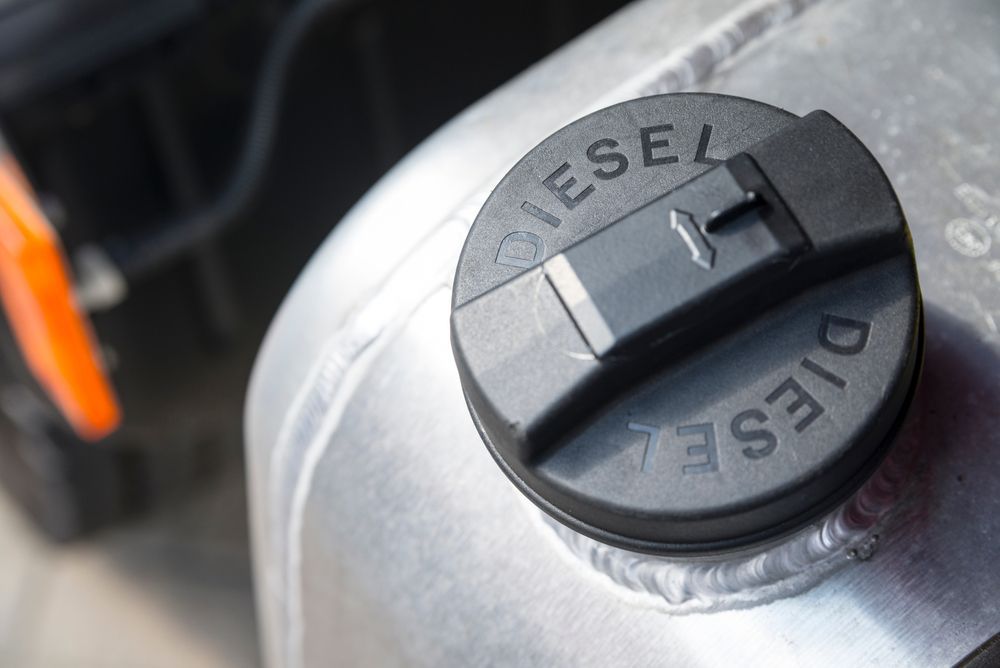
How Tank Repairs Stop Leaks and Extend Service Life
Your tank is inspected to locate all cracks, identify the cause of the damage, and assess whether the surrounding material is strong enough to support a durable repair. Technicians clean and dry the area, then apply heat welding for plastic tanks or resin-saturated fiberglass for composite tanks, building up the repair in layers to match the original wall thickness. The repair is allowed to cure fully before the tank is refilled or returned to service.
After the work is complete, you will see a sealed, solid surface where the crack used to be, and the tank will hold fluid without leaking or weeping at the repair site. Williams body shop handles tanks used in agriculture, trucking, and industrial equipment, focusing on repairs that restore function and safety without the expense of ordering and installing a new tank. The work is especially valuable for older equipment where replacement tanks are hard to source or prohibitively expensive.
Repairs are typically completed within a few days, though cure times and tank size affect the schedule. The shop does not repair tanks that have been contaminated with hazardous chemicals beyond fuel or water, and it does not handle pressurized tanks used in compressed gas systems, as those require specialized certifications and equipment.
Questions Equipment Owners Have About Tank Repair
Owners of trucks, tractors, and industrial equipment often ask whether a cracked tank can be safely repaired or if replacement is the only reliable option.
Williams body shop serves equipment owners and businesses throughout the region who need reliable tank repairs to keep operations running. Call (806) 928-9399 to schedule an inspection and discuss repair options for your damaged tank.
What causes plastic and fiberglass tanks to crack?
Tanks crack from impact, vibration over time, expansion and contraction due to temperature changes, chemical degradation, or stress at mounting points where the tank flexes during use.
How strong is a welded plastic repair compared to the original tank material?
Plastic welding fuses the repair material to the base tank at a molecular level, creating a bond that is as strong as the surrounding plastic when done with the correct temperature and technique.
Why is tank repair more cost-effective than replacement?
Replacement tanks can cost hundreds or thousands of dollars depending on size and application, while a localized repair addresses the damage without the expense of removing, sourcing, and installing a new tank.
How do you know if a tank is too damaged to repair?
Tanks with extensive cracking, structural warping, or material degradation over large areas are better replaced, but single cracks or small impact damage in Littlefield are usually repairable if caught early.
When should you inspect tanks for hidden damage?
Inspect tanks at least annually, especially before planting or harvest seasons, and any time you notice fuel odors, fluid stains, or visible cracks forming near seams or mounting brackets.