
Fixing Cracked and Damaged Fiberglass Components
Fiberglass Repair Services in Littlefield for cracked panels, worn surfaces, and structural damage
Williams body shop restores fiberglass components that have cracked, split, or deteriorated due to impact, wear, or environmental exposure. You might have a damaged truck cap, a cracked boat hull, an industrial tank cover, or custom automotive parts that need both cosmetic and structural repair. The shop handles automotive, industrial, and custom fiberglass applications, using techniques that restore the original strength and appearance of the material rather than simply covering up the damage.
Fiberglass repairs involve cleaning the damaged area, removing loose or delaminated material, applying resin-saturated cloth in layers, and finishing the surface to match the surrounding texture and color. This process rebuilds the material from within, creating a bond that is often stronger than the original fiberglass. It works well for both small cosmetic cracks and larger structural failures that compromise the integrity of the component.
If you have a fiberglass part that is cracked or showing signs of wear, contact the shop for a repair evaluation and quote to determine whether restoration is a practical option.
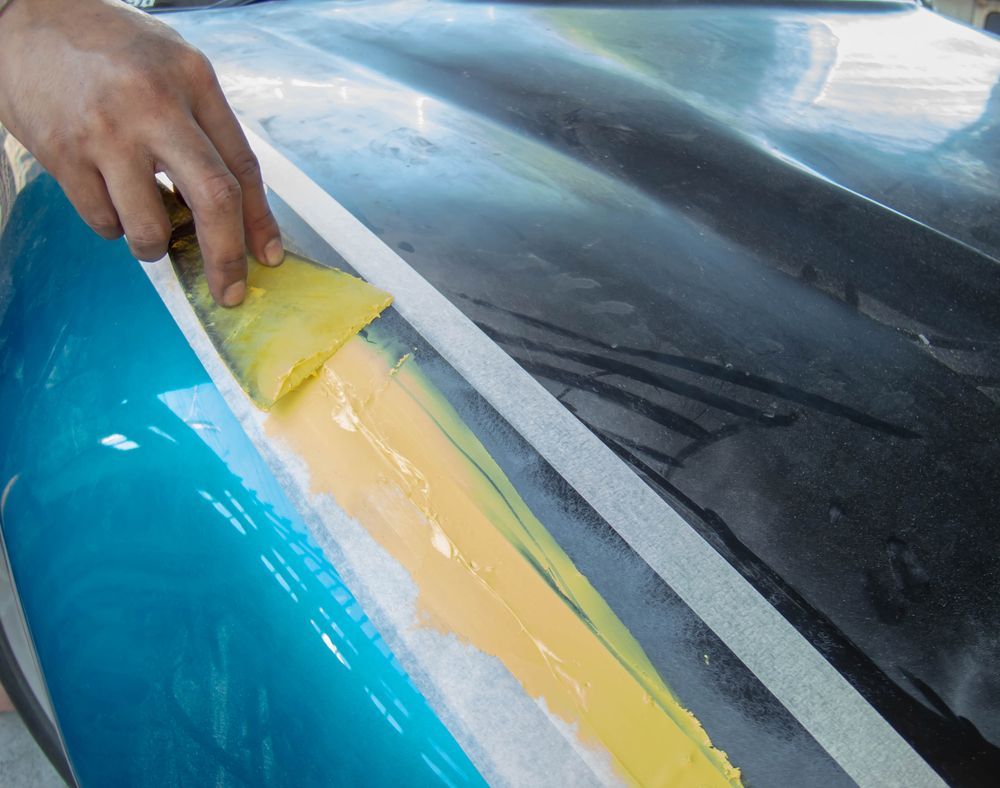
What Fiberglass Repair Restores and Protects
Your fiberglass component is assessed for the extent of the damage, including surface cracks, spiderweb fractures, or complete breaks that go through the entire thickness of the material. Technicians grind back the damaged area to expose clean edges, layer in fiberglass cloth with resin, and cure the repair under controlled conditions. Once hardened, the surface is sanded smooth, primed if necessary, and finished to blend with the existing color and texture.
After the repair, you will see a smooth, solid surface with no visible cracks, and the part will regain its rigidity and resistance to flexing. Williams body shop focuses on repairs that last, so the component can return to regular use without the risk of the crack spreading or the repair failing under stress. The work is suitable for truck accessories, industrial equipment covers, custom vehicle panels, and other applications where fiberglass is used for its light weight and durability.
Repairs typically take a few days to allow for proper curing, and the shop does not handle marine-only fiberglass work such as below-waterline hull repairs, though it can restore topside components and automotive or industrial parts. Complex repairs may require multiple resin layers depending on the thickness and load-bearing requirements of the part.
Common Questions About Fiberglass Repair
Customers often want to know whether a cracked fiberglass part can be repaired or if replacement is the only option, especially for older or heavily worn components.
Williams body shop has repaired fiberglass components for vehicle owners and equipment operators who need durable, cost-effective solutions. Call (806) 928-9399 to discuss your repair and schedule an evaluation.
What types of fiberglass damage can be repaired?
Surface cracks, impact fractures, stress splits, and worn edges are all repairable as long as the surrounding material is structurally sound and not extensively rotted or delaminated.
How strong is a fiberglass repair compared to the original material?
When done correctly, the repair creates a bond that matches or exceeds the strength of the original fiberglass because the resin penetrates and reinforces the surrounding layers.
Why does fiberglass crack in the first place?
Fiberglass cracks from impact, flexing beyond its design limits, UV degradation over time, or stress concentration at mounting points or unsupported edges.
How long does the repair take to cure before the part can be used?
Most repairs need at least twenty-four to forty-eight hours of curing time depending on temperature and humidity in Littlefield, and full strength develops over several days.
When should you replace fiberglass instead of repairing it?
Replacement makes more sense when the damage is widespread, the material has extensive delamination, or the cost of repair approaches the cost of a new part.